How Heat Affects Concrete Buildings in Pakistan
The Hidden Impact of Heat on Concrete Foundations Many property owners associate foundation damage with water only — but heat plays a major role as well.
Extreme temperatures cause soil to dry and shrink. When the soil around your foundation contracts, it creates uneven pressure that may result in cracks and structural stress.
Heat-Related Foundation Risks:
- Soil shrinkage and shifting
- Surface cracking in concrete
- Expansion and contraction stress
- Reduced structural stability over time
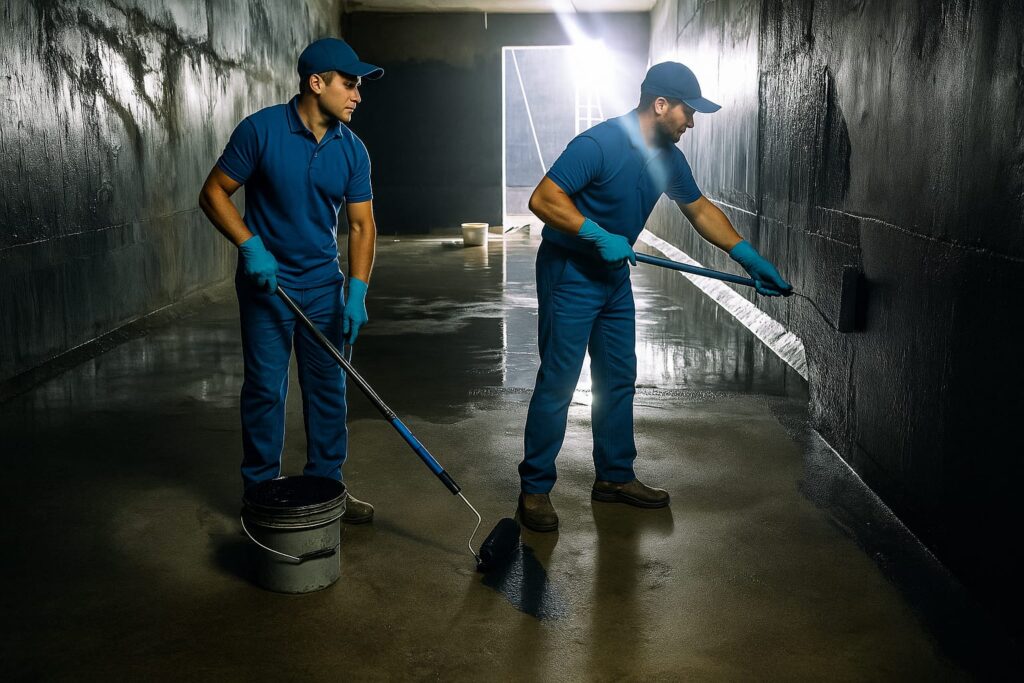
Moisture control combined with professional waterproofing systems helps stabilize the environment around your foundation, minimizing heat-related stress damage.
Heat and moisture work together — protecting against both is essential.
The Hidden Impact of Heat on Concrete Foundations
Many property owners associate foundation damage with water leakage and moisture problems, but the hidden impact of heat on concrete foundations is equally serious. In Pakistan, especially in cities like Karachi, Lahore, Multan, and Islamabad, extreme summer temperatures can place continuous stress on building foundations. Over time, heat exposure weakens concrete, dries surrounding soil, and increases the risk of structural damage.Concrete foundations are designed to provide long-term stability and support for buildings. However, constant exposure to heat and changing weather conditions can slowly reduce their durability. Understanding how heat affects concrete foundations helps property owners take preventive measures before expensive repairs become necessary.
How Extreme Heat Affects Concrete Foundations
High temperatures directly affect both concrete and the soil beneath a building. During hot weather, the ground loses moisture rapidly. As the soil dries, it shrinks and shifts, creating uneven pressure around the foundation. This movement can lead to cracks, settlement issues, and structural instability.Concrete itself also expands when exposed to heat and contracts when temperatures drop. This repeated expansion and contraction cycle creates thermal stress inside the structure. Over time, the stress weakens the concrete surface and may result in visible cracks.In Pakistan, roof slabs and https://www.britannica.com/technology/concrete-building-material areas often experience intense sunlight during the summer season. Without proper waterproofing and moisture control, the impact becomes more severe.
Common Signs of Heat Damage in Foundations
- Cracks in walls and floors
- Uneven or sinking flooring
- Gaps around doors and windows
- Surface cracking in concrete
- Soil separation near foundation walls
- Moisture seepage after structural movement
These issues may seem minor at first, but they can eventually affect the overall safety and stability of the building.
Soil Shrinkage and Foundation Movement
One of the biggest hidden impacts of heat on concrete foundations is soil shrinkage. When soil loses moisture during extreme temperatures, it contracts and pulls away from the foundation structure. As a result, the foundation may shift unevenly.This movement places stress on concrete walls, columns, and beams. In severe cases, it may lead to structural settlement or visible foundation cracks. Buildings constructed on clay-rich soil are particularly vulnerable because clay expands and contracts significantly depending on moisture levels.Proper moisture management and waterproofing systems help reduce soil instability around the foundation area. Proper moisture management and waterproofing systems help reduce soil instability around the foundation area.
The Role of Waterproofing in Heat Protection
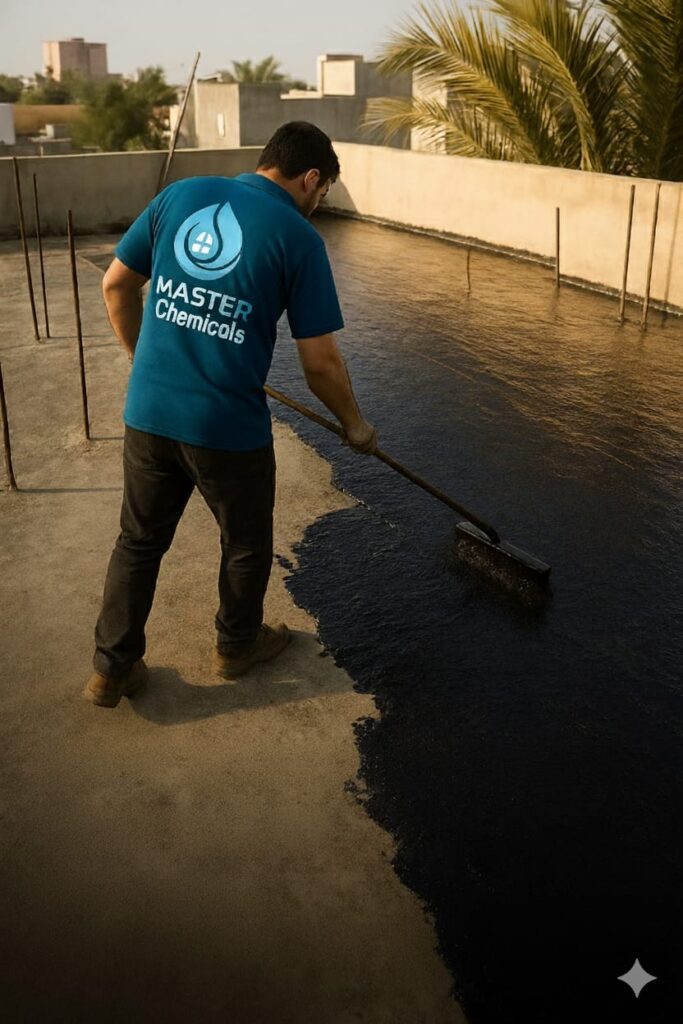
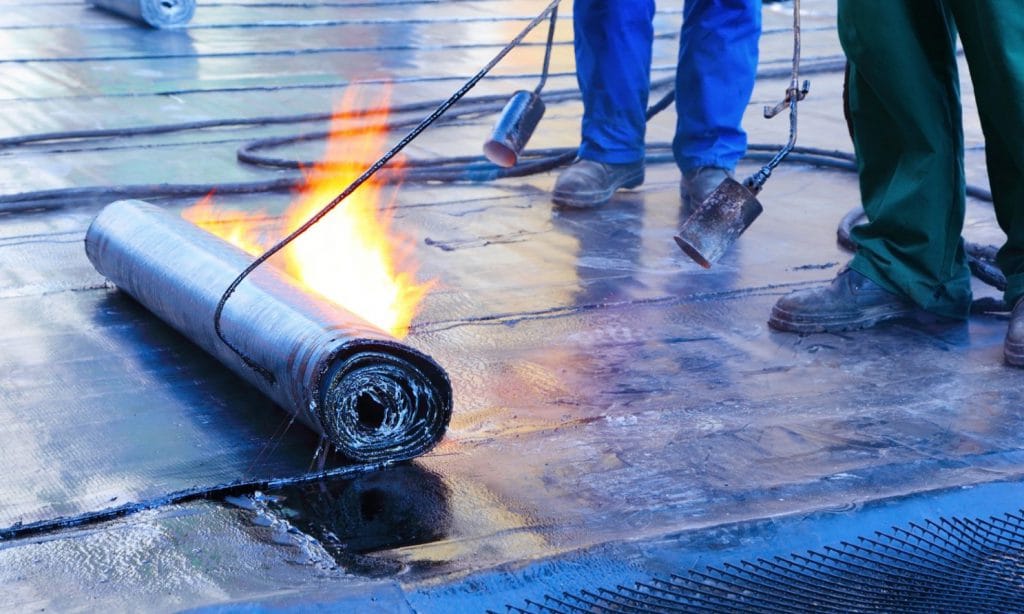
Many people believe waterproofing only protects buildings from water damage. In reality, professional waterproofing systems also help reduce heat-related structural stress.Waterproofing membranes and protective coatings maintain balanced moisture conditions around concrete foundations. This helps prevent excessive drying of the soil and minimizes structural movement caused by heat.At Master Chemical Services�, professional waterproofing solutions are designed to protect foundations from both moisture damage and extreme environmental conditions. Durable bitumen membranes, foundation coatings, and damp-proofing systems improve long-term structural performance.
Why Concrete Cracks During Hot Weather: Concrete naturally contains small amounts of moisture. During extremely hot weather, rapid evaporation causes the surface to dry too quickly. When moisture escapes unevenly, the concrete develops internal stress. This stress often results in:
- Hairline cracks
- Surface scaling
- Reduced bonding strength
- Weakening of structural integrity
Additionally, repeated heating and cooling cycles accelerate wear and tear over time. Buildings exposed to direct sunlight without protective treatment face higher risks of foundation deterioration.Preventive maintenance is essential for protecting foundations in hot climates like Pakistan. Property owners can reduce the risk of heat-related damage by following several important steps.
- 1 Apply Professional Waterproofing :Waterproofing systems help stabilize moisture levels around the foundation and reduce soil movement. Bitumen membranes and protective coatings provide long-term protection.
- 2 Maintain Proper Drainage: Poor drainage causes uneven moisture distribution in the soil. Proper drainage systems help maintain stable ground conditions around the structure.
- 3 Inspect Cracks Early: Small cracks should never be ignored. Early repairs prevent structural problems from spreading further.
- 4 Use Heat-Reflective Roof Coatings or Insulation board: Heat-proofing systems reduce overall building temperatures and decrease thermal stress on structural elements.
- 5 Regular Structural Maintenance: Heat damage and moisture damage are closely connected. When foundations weaken due to heat stress, they become more vulnerable to water seepage and dampness problems. Similarly, poor waterproofing allows moisture fluctuations that increase soil movement during hot weather.This is why professional foundation protection should include both waterproofing and heat management solutions.
Final Thoughts: The hidden impact of heat on concrete foundations is a serious issue that many property owners overlook. Extreme temperatures, soil shrinkage, and thermal stress can gradually weaken buildings and create long-term structural problems.With proper waterproofing, moisture control, and preventive maintenance, foundations can remain strong and durable even in harsh weather conditions. Investing in professional protection today helps avoid costly structural repairs in the future.If you want to protect your building foundation from heat, moisture, and structural damage, professional waterproofing solutions can provide long-lasting safety and durability for your property.