The Ultimate Guide to Water Tank Leakage Repair Permanent Solutions for a Stronger Building
Water Tank Leakage Repair Waterproofing for Concrete water Tanks, Water is the lifeblood of any property, but when it escapes its container, it becomes a silent destroyer. A leaking water tank is more than just a plumbing annoyance; it is a structural threat that can lead to foundation weakening, mold growth, and expensive renovation costs. Whether you are managing a residential bungalow in Karachi or an industrial complex in the Sindh or Balochistan regions, understanding how to identify, treat, and prevent water tank leakage is essential for the longevity of your building.
Water Tank Leakage Repair in Pakistan
- 1. Why Water Tanks Leak Identifying the Root Cause
Before jumping into repairs, you must understand why the failure occurred. Most concrete tanks leak due to:
- Hydrostatic Pressure The weight of the water constantly pushes against the walls.
- Thermal Expansion Constant temperature changes cause concrete to expand and contract, leading to hairline cracks.
- Poor Initial Construction Using low-grade cement or improper vibration during the pouring of the concrete.
- Chemical Erosion Over time, water and chlorine can corrode the internal surface of the tank.
- 2. The Danger of Ignoring “Minor” Seepage
Many property owners ignore dampness on the exterior of a tank, thinking it’s just “sweating.” However, this seepage leads to:
Water Tank Leakage Repair Waterproofing for Overe Head Concrete Water Tanks
- Reinforcement Corrosion: Water reaches the steel rebars inside the concrete, causing them to rust and expand, which eventually cracks the entire structure.
- 2. Health Risks Seepage from the outside can also allow groundwater or sewage to enter your drinking water tank.
- 3.Foundation Damage: For underground tanks, constant leakage softens the soil, leading to building settlement.
- 3. Modern Solutions No-Dismantling Repair Technology
In the past, fixing a tank meant breaking the concrete and starting over. Today, specialized chemical treatments allow for “No-Dismantling” repairs. This saves time, money, and mess.
Water Tank Leakage Repair Expert Waterproofing for Water Tanks In Karachi
A. Pressure Grouting (Injection Method)
For deep, structural cracks, we use pressure grouting. A specialized resin or cementitious grout is injected directly into the crack at high pressure, filling the void from the inside out and sealing the leak at its source
B. Crystalline Waterproofing
Water Tank Leakage Repair Expert in Clifton
This is a “smart” solution. Crystalline chemicals penetrate deep into the concrete pores. When they come into contact with water, they grow crystals that block the pores, making the concrete itself waterproof.
4. High-Performance Coating Materials
Choosing the right material is the difference between a 1-year fix and a 10-year solution.
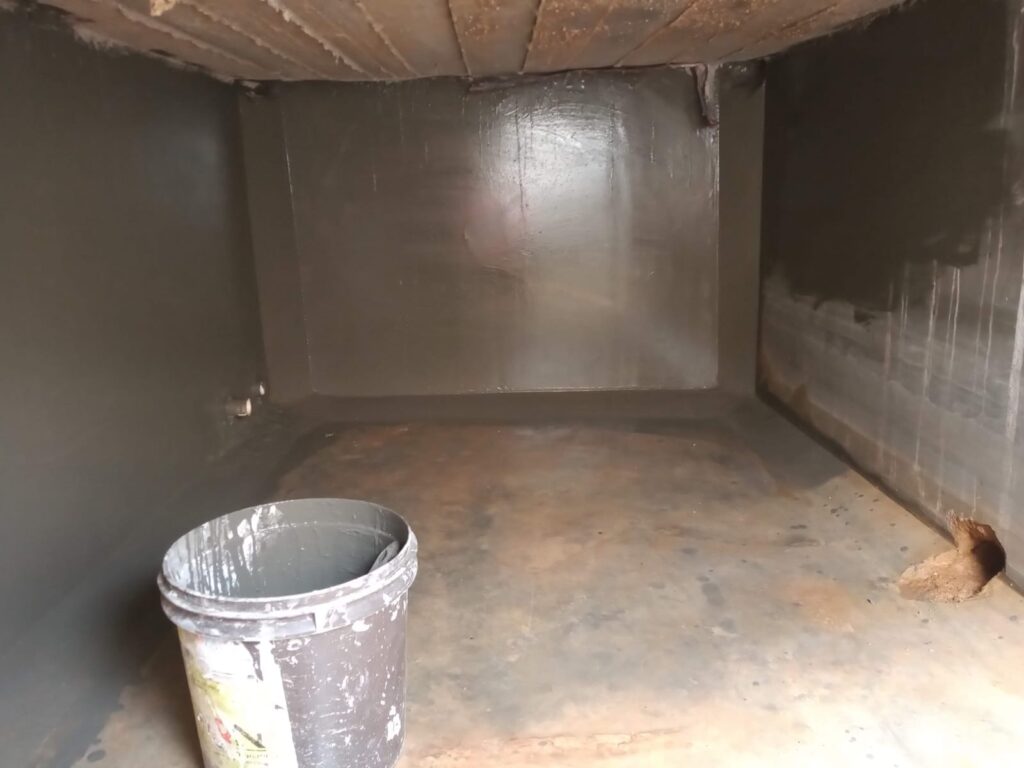
Epoxy Coatings
Epoxy is excellent for drinking water tanks because it provides a smooth, non-porous, “food-grade” surface. It prevents algae growth and is highly resistant to chemicals.
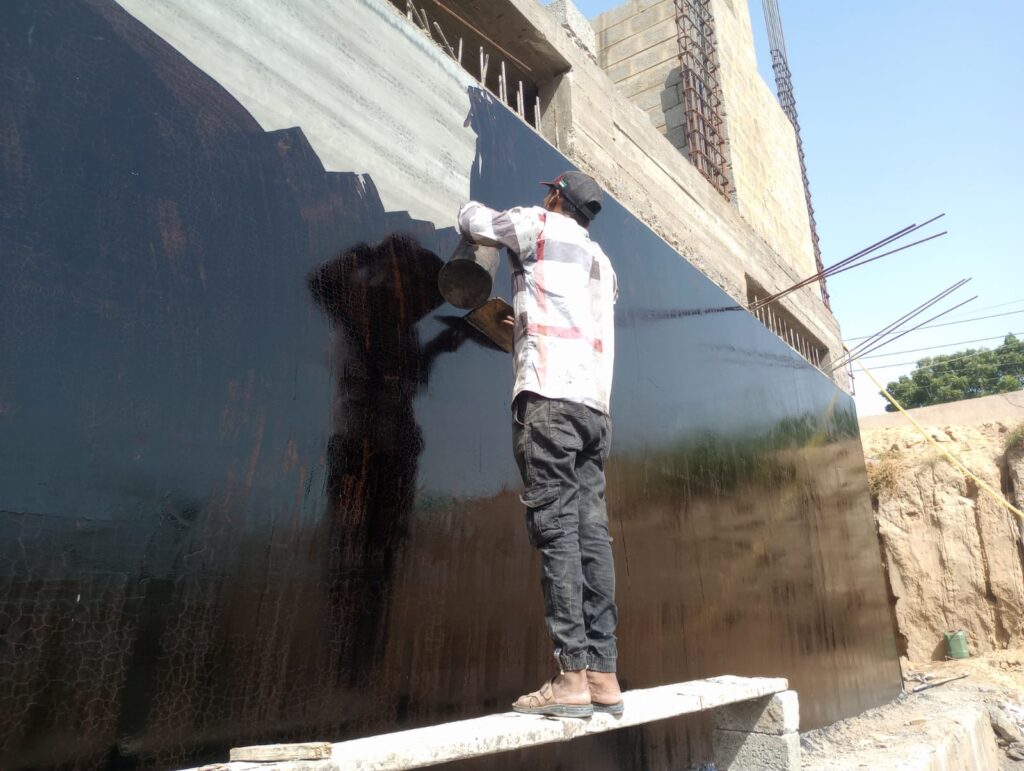
Bitumen Membranes (APP/SBS)
For the exterior of underground tanks, hot-applied bitumen membranes provide a thick, flexible shield that prevents groundwater from entering the tank.
two-component (2k)slurries
In the world of professional waterproofing, two-component (2K) slurries are the gold standard for sealing water tanks. Unlike standard cement, these are engineered systems that combine structural strength with elastic flexibility.
A 2K slurry typically consists of
- Component A (Powder) A blend of high-grade cements, silica sands, and active chemical additives.
- Component B (Liquid): A concentrated synthetic polymer or acrylic resin.
Why 2K Slurries are Essential for Water Tanks
When you mix the liquid resin with the powder, a chemical reaction occurs that provides several advantages over traditional methods:
- Crack Bridging: Unlike rigid cement, a 2K slurry is flexible. If the tank develops a hairline crack due to heat or pressure, the coating stretches to keep the seal intact.
- Superior Adhesion: The polymer liquid allows the mixture to “grip” onto old concrete surfaces much more effectively than water-mixed cement.
- Potable Water Safe: Most high-quality 2K slurries are non-toxic and “food-grade,” making them safe for drinking water storage.
- Hydrostatic Resistance: They are designed to withstand “positive” pressure (water pushing from inside) and “negative” pressure (groundwater pushing from outside).
Stope Water Seepage Long-Lasting Waterproofing Treatment For Drinking Water Concrete Tanks In Karachi
5. Step-by-Step Professional Repair Process
To ensure a permanent seal, follow this professional methodology:
- Dewatering & Cleaning: Drain the tank completely and scrub the walls to remove algae, silt, and loose debris.
- Surface Preparation: Open up visible cracks into a “V” shape. This allows the repair material to bond deeply with the concrete.
- Leakage Point Identification: Identify active pressure leaks (where water is actively gushing out) and seal them using “Instant Plug” cement.
- Base Coat Application: Apply a primary coat of polymer-modified cementitious coating to seal the pores.
- Fiberglass Mesh Reinforcement: For added strength, a layer of fiber mesh is embedded between coating layers to prevent future cracking.
- Final Protective Layer: Apply the final food-grade epoxy or chemical shield.
- Curing & Testing: Allow the chemicals to cure (dry) for 24–48 hours before refilling the tank for a “Flood Test.”
Water Tank Leakage Repair Waterproofing For Under Ground Water Tanks in Pakistan
6. Local Considerations: Repairing Tanks in Karachi & Sindh
The coastal climate of Karachi and the heat of the Sindh interior present unique challenges.
- Salinity The salt-heavy air in coastal areas accelerates the corrosion of steel rebars. High-quality chemical barriers are mandatory here.
- Extreme Heat: In regions like Balochistan or upper Sindh, the temperature difference between day and night causes significant thermal stress on concrete. We recommend flexible coatings that don’t become brittle in the sun.
7. How to Choose a Waterproofing Contractor
Don’t be fooled by cheap “paints” that claim to be waterproofing. A professional contractor should:
- Offer a technical site inspection before giving a quote.
- Use branded chemicals (like Sika, BASF, or specialized resins).
- Provide a written warranty (typically 2 to 5 years).
- Have experience in both residential and commercial projects.
8. Making Your Building “Stronger, Safer, and Cooler”
Waterproofing your tank isn’t just about stopping a leak—it’s about structural health. By sealing your tank, you keep your foundation stronger, your drinking water safer from contaminants, and by preventing dampness, you help keep the surrounding structure cooler and free from humidity-related heat.
Conclusion Act Now to Save Later
Water tank leakage is a progressive problem. What starts as a small patch of dampness today can become a major structural failure next year. Investing in professional, chemical-based waterproofing is the most cost-effective way to protect your property and ensure your family has access to clean, safe water. Ready to secure your property? Contact a specialized waterproofing professional today to schedule an inspection and get a permanent solution for your water tank.